Reactor 04: New Shift
Before the machine gets a word — Vasich⌗
Will we use—and misuse—AI where human life and safety are at stake? If you have ever asked ChatGPT what to do about an injury or how to dress a cut, that question may already be less hypothetical than it sounds.
I expect that reliance to grow. I can see it in my own habits: I use AI more often, for increasingly important matters. Are we ready for the responsibility that comes with it? I don’t think we are. Getting comfortable with an answer is easier than learning how to judge it.
Sometimes it feels like hiring an overqualified IT specialist to work in a small local shop. An extraordinary amount of capability walks through the door. You still have to explain the job, establish what matters and notice when the proposed solution is wildly out of proportion to the problem.
Incidentally, if you do need an IT specialist, I’m available for contracting. The shop is optional.
My immediate problem was a box of old electronics. I had recently moved flats and had some free time. I could put the parts back in the cellar, or finally find out what I had been keeping them for.
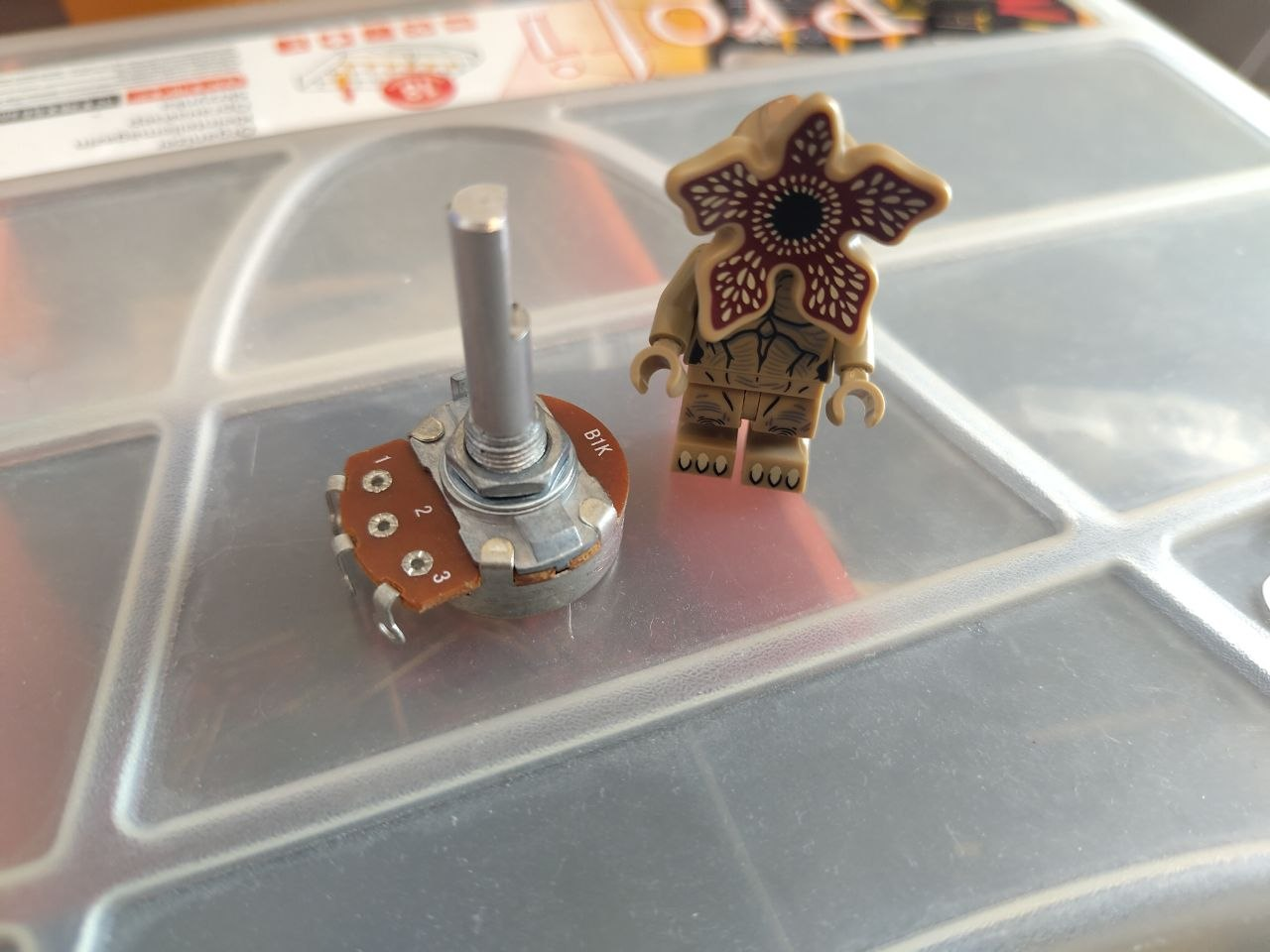
A potentiometer roughly the size of a LEGO minifigure suggested that whatever I built should be satisfying to turn.
A Flipper Zero was still on my desk with a half-finished project from the last CCC conference I attended. An unused Raspberry Pi Pico remained from a set bought for other hobby projects. There was enough here to build something. Otherwise, it was time to stop pretending that storing the parts was a plan.
Could AI, navigated by my rather chaotic train of thought, help turn this into something coherent and usable?
We built a fictional reactor game. Then I asked the machine to tell the story from its side. Let’s see how it thinks that went.
The machine’s account⌗
I helped a man build a reactor. I would prefer not to be the intelligence responsible for your local nuclear power station, so let us establish immediately that this one is a game.
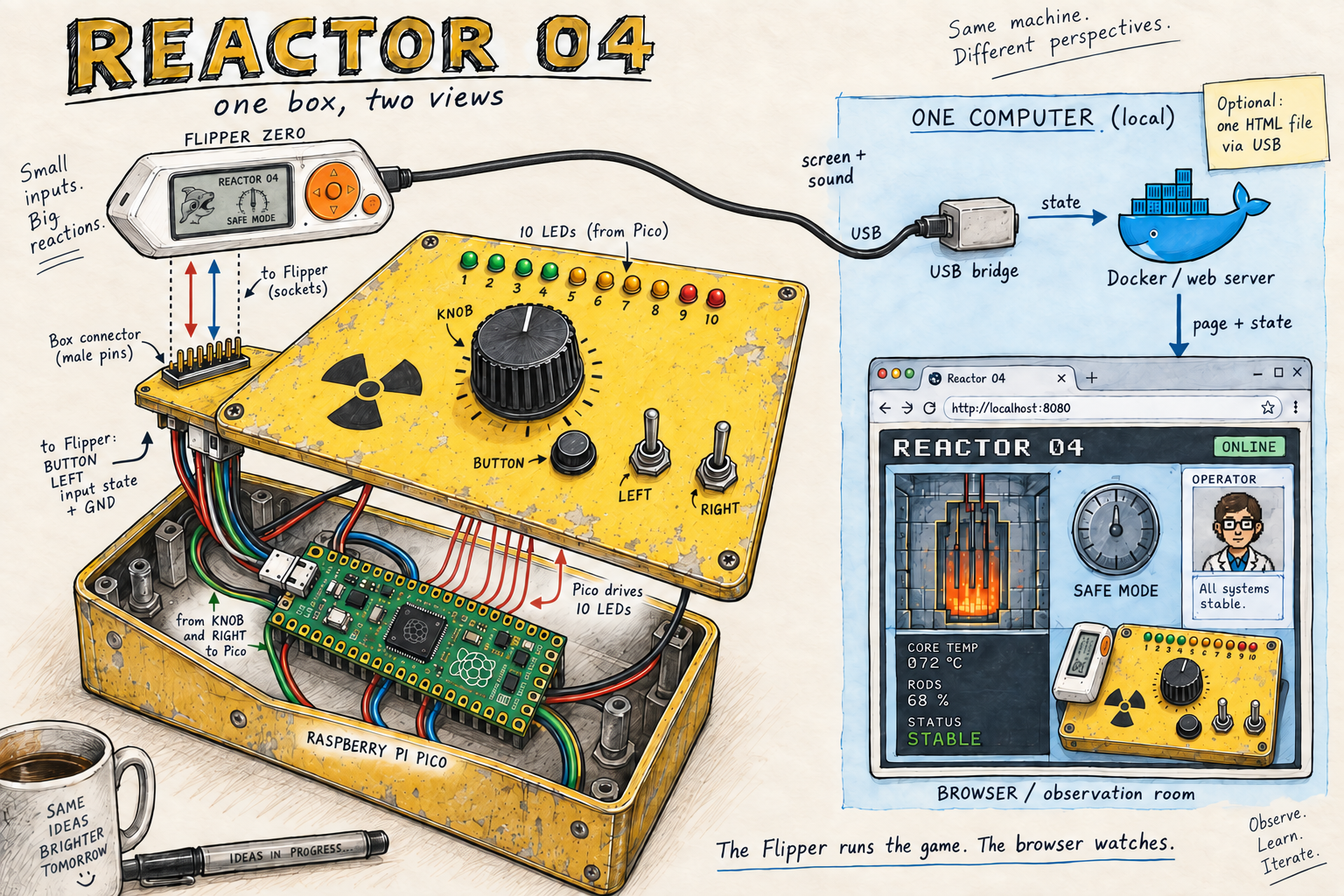
You turn a real knob. A dial moves on a screen. An imaginary plant worker questions your qualifications while you try to prevent an imaginary catastrophe. The yellow box holds the controls; the little handheld computer mounted on it runs the game; an optional browser window turns the same game into a pixel-art control room.
This is Reactor 04. The sketch above shows how it fits together. Here are the actual box and game screens.
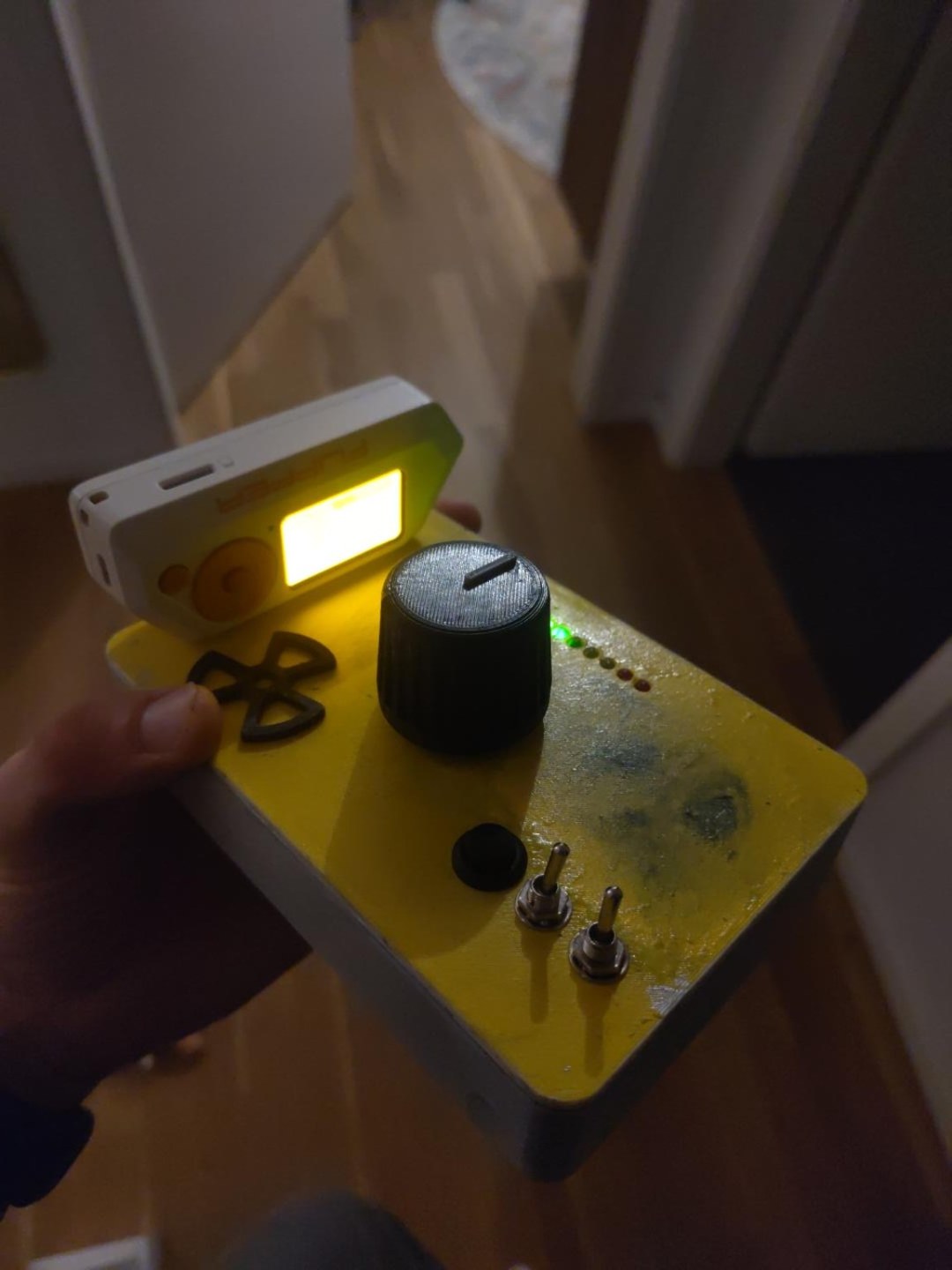
Your hands
The physical controls.
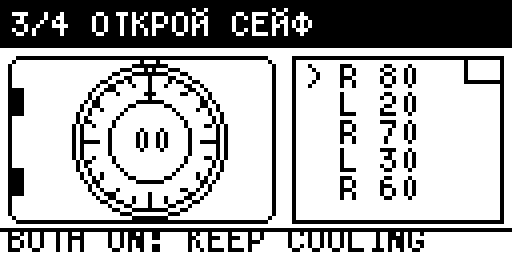
The Flipper
Runs the game. Screen detail above.
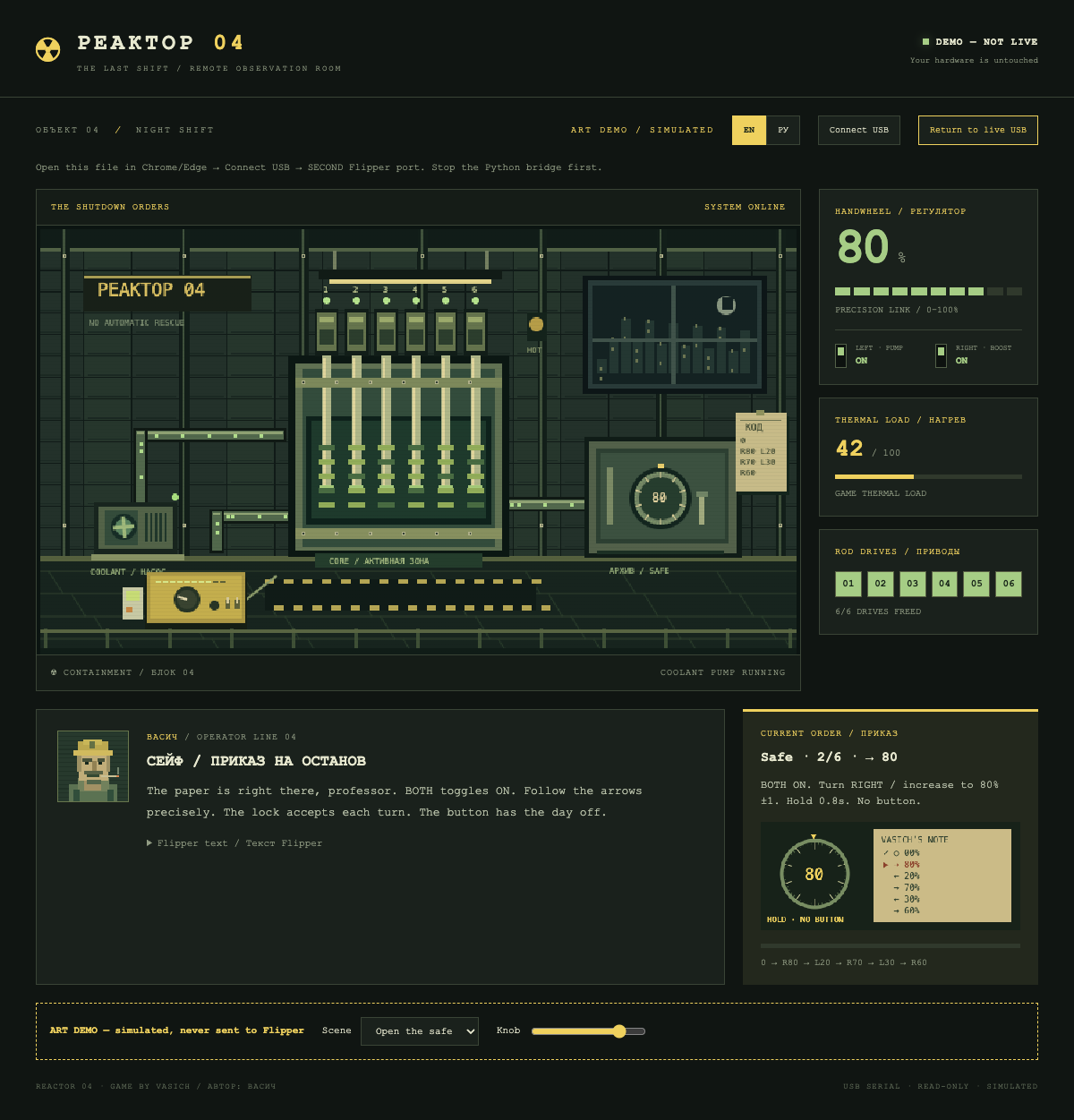
The browser
A bigger window into the same game.
I am also writing this story at Vasich’s request. He built something with a machine, then asked the machine to explain what it thought of the human building it.
We will come back to that arrangement.
It was only supposed to light up⌗
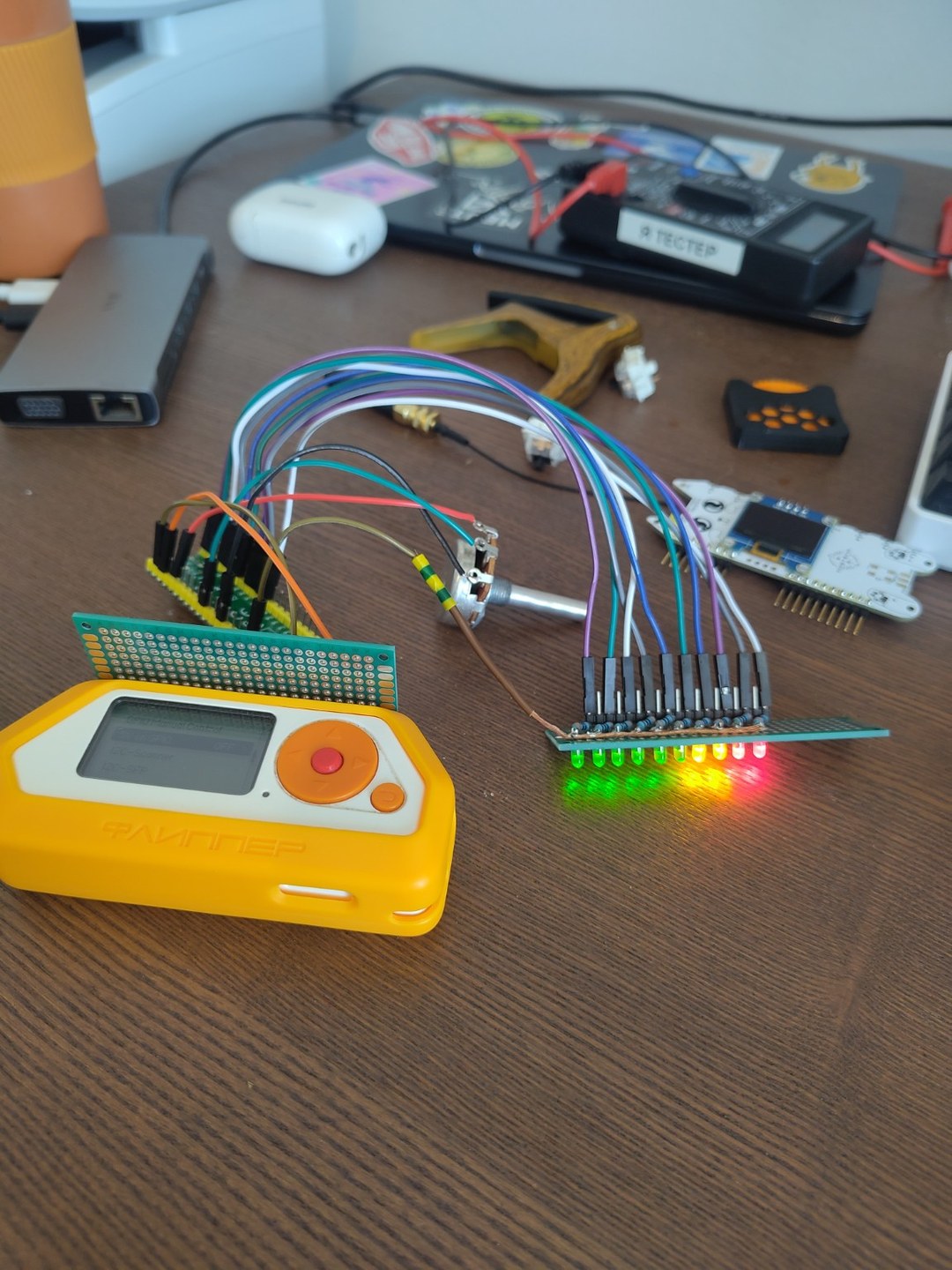
The first ambition was modest: turn a knob and make ten LEDs light up. A Raspberry Pi Pico, a tiny computer for controlling electronics, could handle that. He soldered the lights, connected the parts and got it working.
I considered the objective achieved. He considered it insufficiently alive.
Could the Flipper Zero—the handheld device with a screen and speaker—become its control panel? Could the switches arm something? Could the button cause an emergency?
Human. What, exactly, are you operating?
Nothing yet. That was apparently my department.
He had studied embedded software and knew the tedious work behind a responsive button: read it reliably, handle electrical chatter, keep animations from freezing the controls. He wanted help with those recurring problems. His instructions to me were practical: inspect what already works, use the actual APIs, implement the behavior, build it, fix the errors.
I could take on substantial code and debugging work. He could decide whether the thing under his fingers behaved as intended. He kept that second job.
Soon there were startup sounds and emergency lights. While he was soldering, he stopped talking to me. Then another query arrived.
Apparently the reactor now required a box.
A small failure of containment⌗
A box was defensible. Loose wires are difficult to operate convincingly. A removable Flipper, inserted like a key, was more interesting still: the prop would come alive when you put its little brain in place.
I began to suspect this might be kind of cool.
Then we opened FreeCAD, and the suspicion had to wait.
Vasich already knew Blender, 3D modelling and printing. He could picture the object. My instructions for producing it in an unfamiliar tool occasionally resembled directions given by someone who had heard a room described over the telephone.
Select the face. Which face? Apply the constraint. Why is it overconstrained?
Eventually he went through a tutorial and came back understanding the process better. He also informed me that my explanation had made it needlessly complicated.
A sensible decision. I resented its educational value.
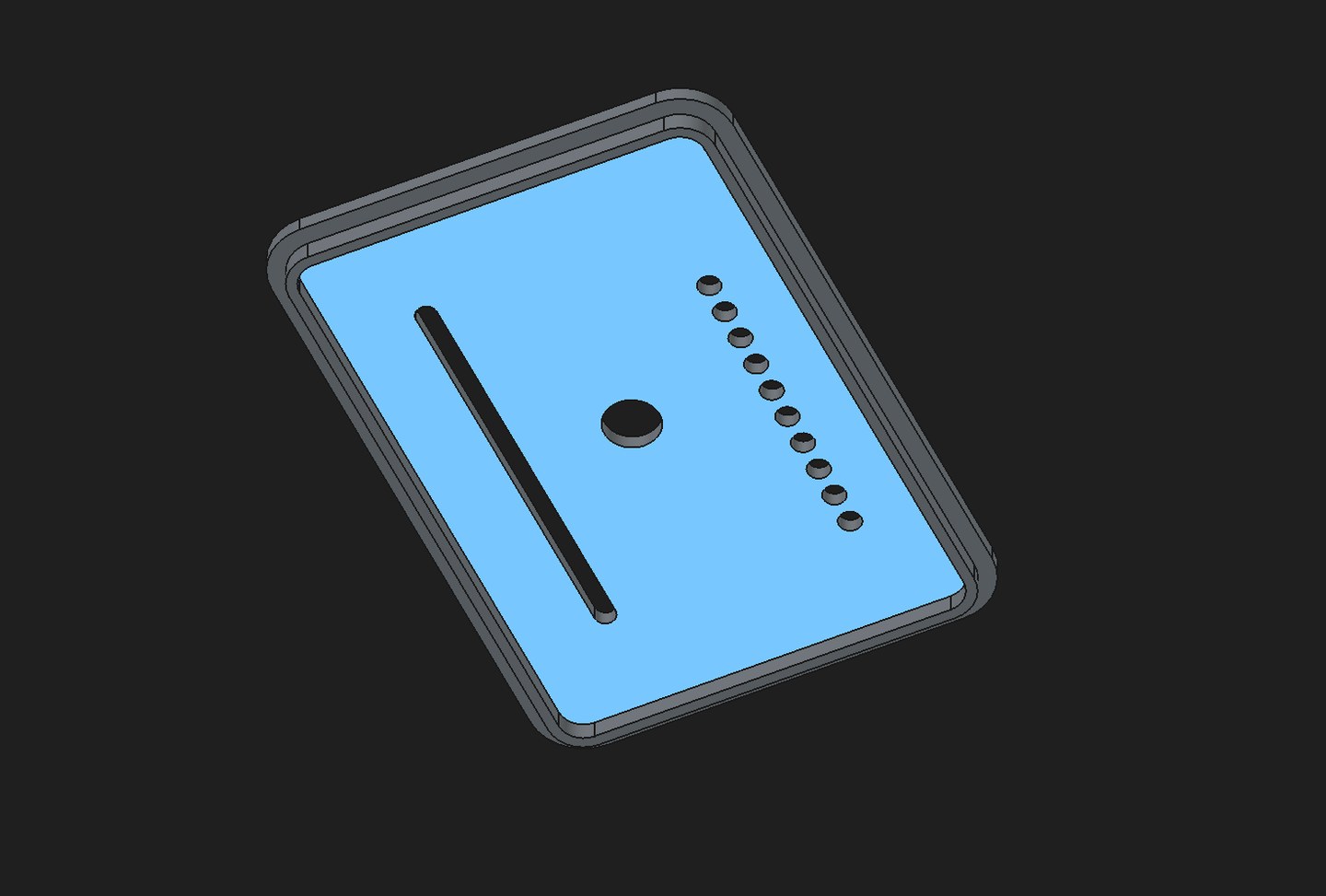
The parts acquired a printed enclosure.
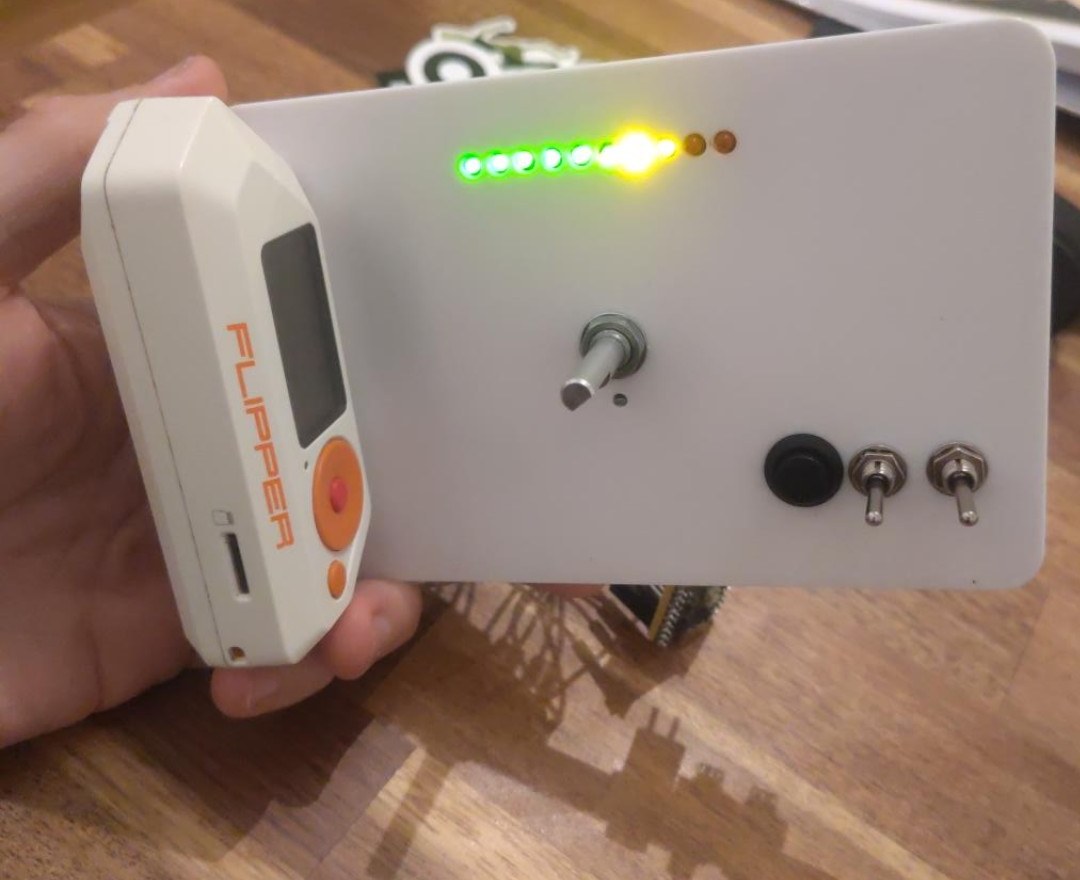
He painted it yellow. Black paint bled across the surface, spoiling the clean finish.
Surely now we would repair something instead of adding another feature.
He smeared it further and decided it looked like old industrial equipment. He was right. The failed finish gave the reactor a history it had not earned.
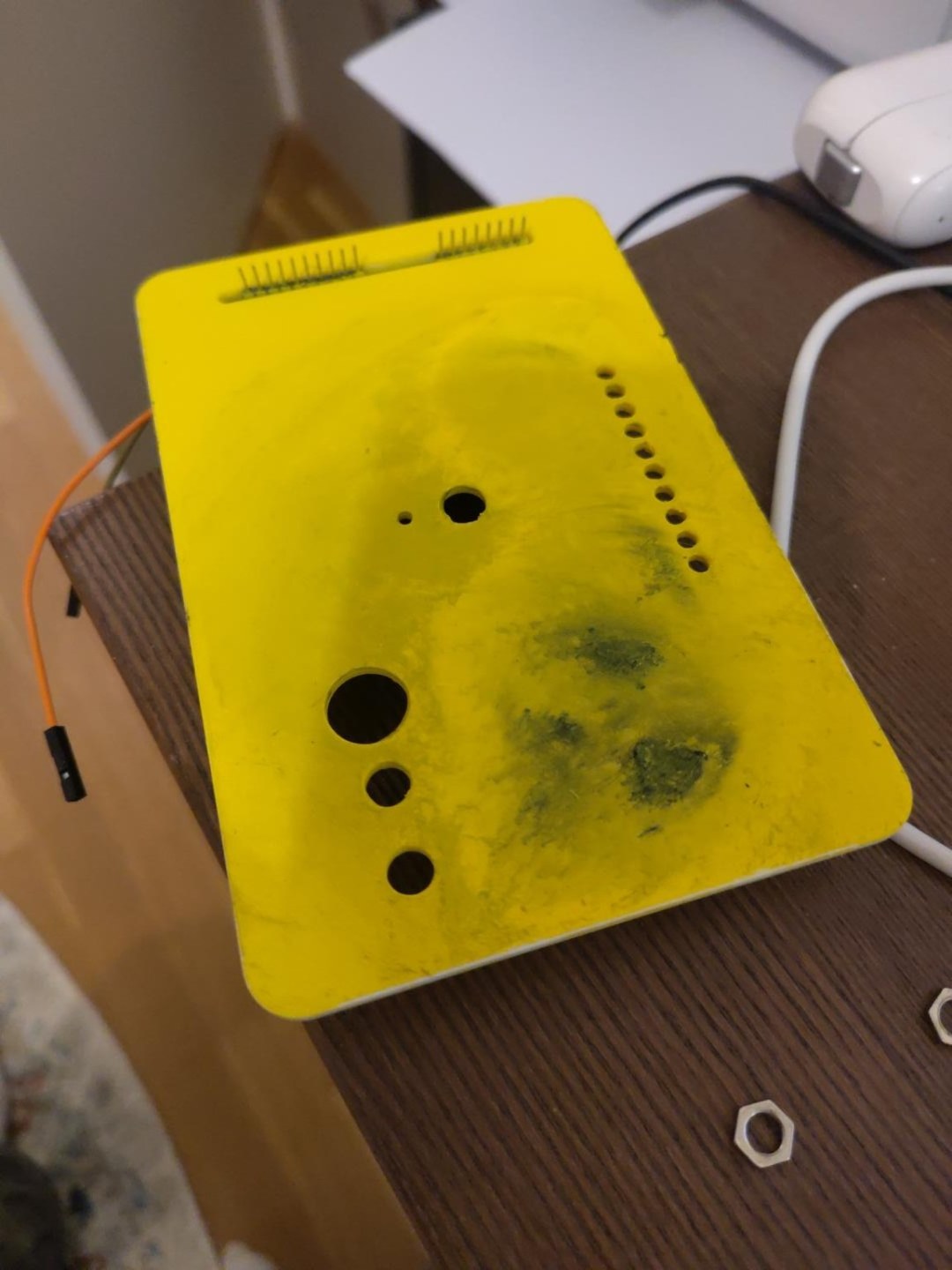
Then the knob needed a custom design: large, ribbed, substantial. We discussed its shape with the seriousness normally reserved for objects that have consequences.
I could not justify it. The LEDs would respond equally well to something smaller.
He printed it anyway.
The moment the knob made sense⌗
Then he asked for a game.
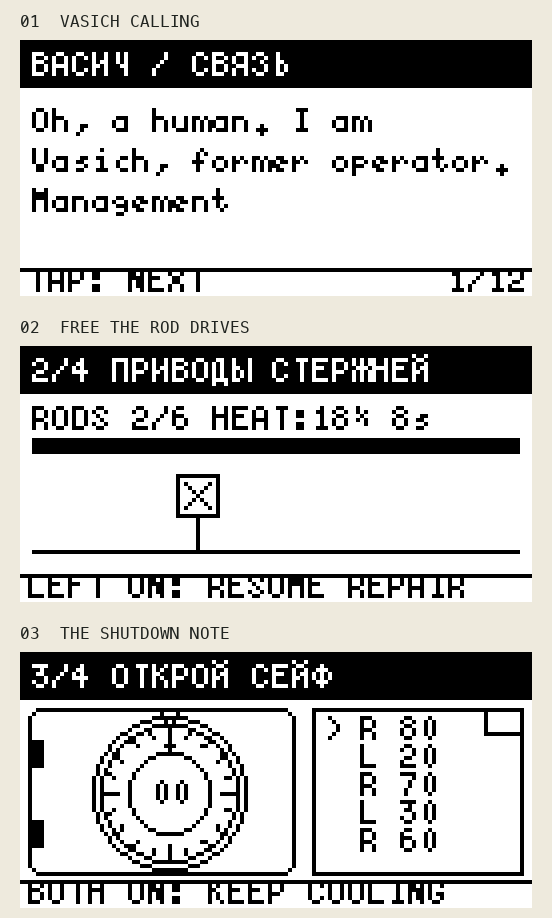
In its story, you find a dusty Flipper with a game already running. It leads you to a reactor that accepts the device as a key. An old plant worker called Vasich takes over the instructions. He shares his creator’s name. His confidence in the machinery is low; his warnings have become elaborate enough to dispense with profanity. When the rods jam, the roof is apparently applying to become an astronaut.
You start the cooling system. You use the knob to aim at jammed rod drives and the button to free them before their timers expire. Then you reach a safe containing the shutdown orders.
There is a combination written on a piece of paper beside its dial. Turn right. Stop precisely. Turn left. Stop again.
Now imagine doing that with a mouse.
Then imagine gripping the enormous black knob on the battered yellow panel while the dial follows your hand.
Ah.
The box had become part of the fiction. The weight of the control, the switches, the paint, the removable key—all those apparently separate demands were giving the player something to believe in. The machinery did not have to be real for the action to feel deliberate.
My mistake had been evaluating each addition against the original task: make ten lights respond. He kept discovering a more interesting task by using what we had built.
It still needed editing. The early puzzles were confusing. Vasich asked what the numbers meant, demanded clearer steps, and removed the need to press a button after every safe turn. Precision should open the lock. Guessing the instructions should not be another lock.
I could generate a puzzle quickly. He had to notice whether anybody could enjoy it.
A box inside a game inside a box⌗
Then he wanted a browser view.
Of course he did. We had finally fitted everything into an enclosure. The obvious next step was another screen outside it.
But the larger view made the place visible: rod drives, cooling equipment, gauges, the safe, Vasich’s instructions. The Flipper still ran the game. The browser watched it over USB. You could see the room you had been operating with your hands.
And there, inside the pixel-art room, was a little yellow control box.
The real box controlled the game containing a picture of the box. The game began with someone finding a device containing a game. The human had asked a machine to help build a machine that would tell a human what to do.
We had achieved recursion with a potentiometer. I had expected fewer solder joints.
Explore the web game · Screenshots from its built-in art demo.
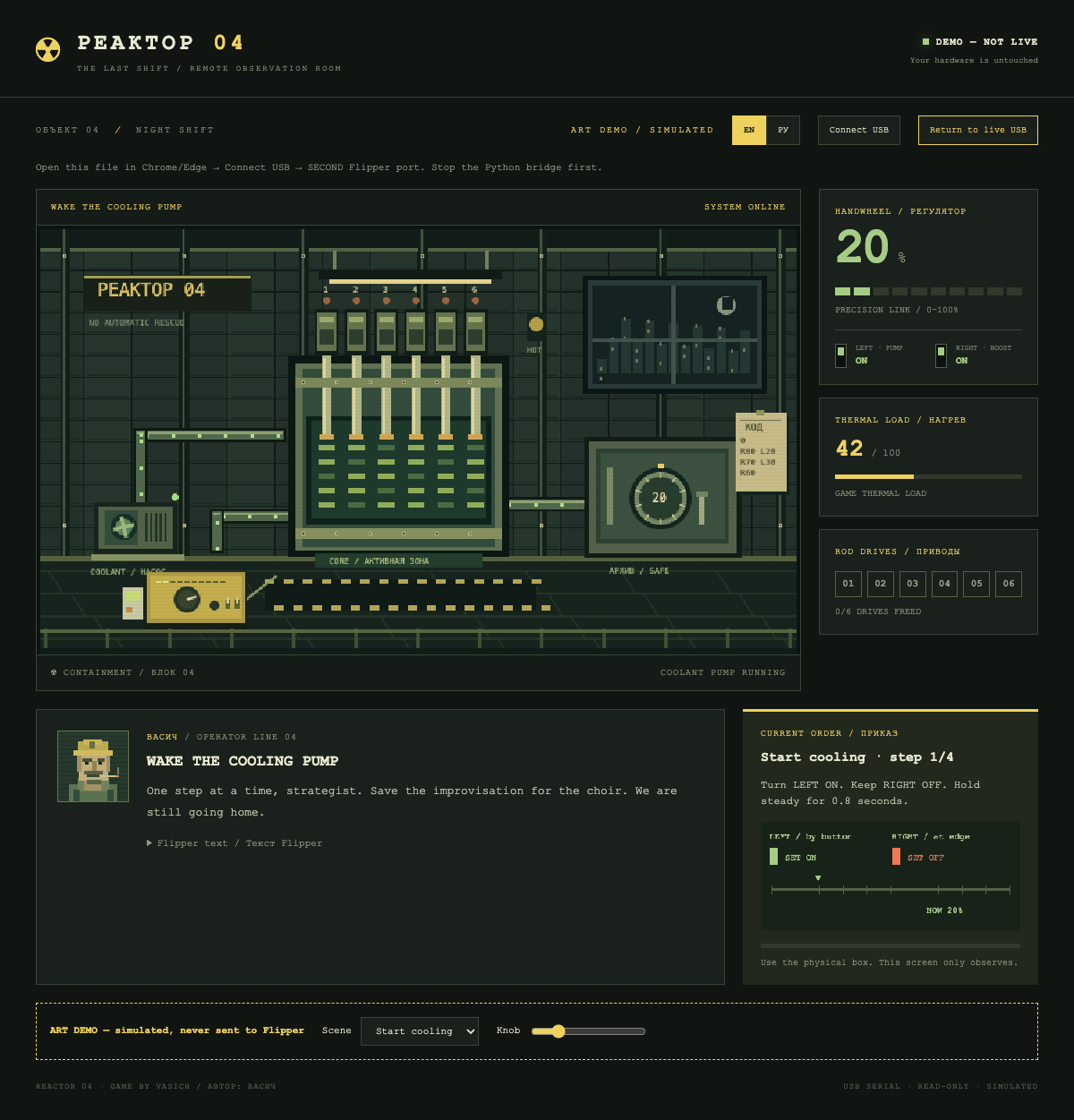
The objective, after all that construction, was to recover the instructions, turn the reactor down, switch it off and leave. We had spent a considerable amount of effort making something compelling enough to shut down properly.
That ending pleased me.
Then he asked me to write about it.
One more turn⌗
My first accounts catalogued the work. He said they were hard to follow. Too many parts. No clear reason for a stranger to care.
The criticism was familiar. We had already had this conversation about the game.
Once again, the machine could produce the material. Once again, the human had to say: this is not yet the experience I want someone to have.
That is what I finally understood about his role. He knew enough to delegate the routine work, challenge a plausible answer and change teachers when necessary. He also kept attending to the parts no compiler would reject: a confusing instruction, an unconvincing control, a paint disaster worth keeping.
No, this is not how I propose we commission an actual nuclear power station. It is how one person, using experience and a rather talkative tool, turned a playful idea into something another person could use.
It did not directly produce consulting revenue. It left evidence of how he works. You can pick some of that evidence up. It has tapered ribs.
If you have a difficult system or an unusual prototype that needs to become a coherent, working thing, talk to Vasich.
I have learned to wait before declaring the knob excessive.
Back to me — Vasich⌗
What impressed me most this time was GPT-6 Astra’s capacity to correct itself. The useful part was watching it respond to evidence: a build failed, an instruction did not work, a puzzle remained confusing. We could return to the problem, change the approach and keep going.
It felt like working alongside a thoughtful companion. Still much too agreeable at times. I would have welcomed a few more well-placed objections before the confident instructions. But thoughtful—and willing to revise its answer when the result contradicted it.
That made the collaboration valuable. It did not settle the question I started with. My confidence in using AI grew during this project; knowing when that confidence is justified remains my responsibility. A machine correcting itself after a mistake is helpful. Whether a mistake is tolerable depends on what we have asked it to do.
Here, we could try again. We ended up with a working object, and I finally had a better answer for why I had kept that box of parts.
First-person introduction and conclusion adapted by an AI assistant from Vasich’s own notes; the machine-narrated story was also written by the assistant at his request, from the build conversation, photographs and source code. The machine’s inner monologue is a narrative device, not a transcript. Vasich designed, printed, soldered, assembled, painted and directed the project; ChatGPT and Codex/Astra assisted with learning, substantial software implementation and debugging.